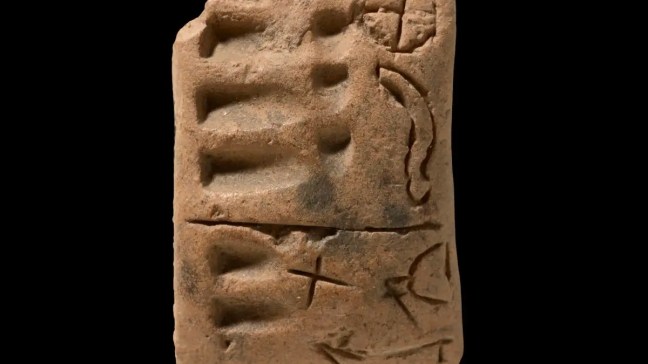

Archaeologists claim they have discovered Paleolithic glyphs in a German cave that could potentially push back the history of written communication by over 30,000 years, per a study in the journal Proceedings Of The National Academy of Sciences. According to the researchers, the symbols were engraved on artifacts that dated back some 40,000 years to the Stone Age.
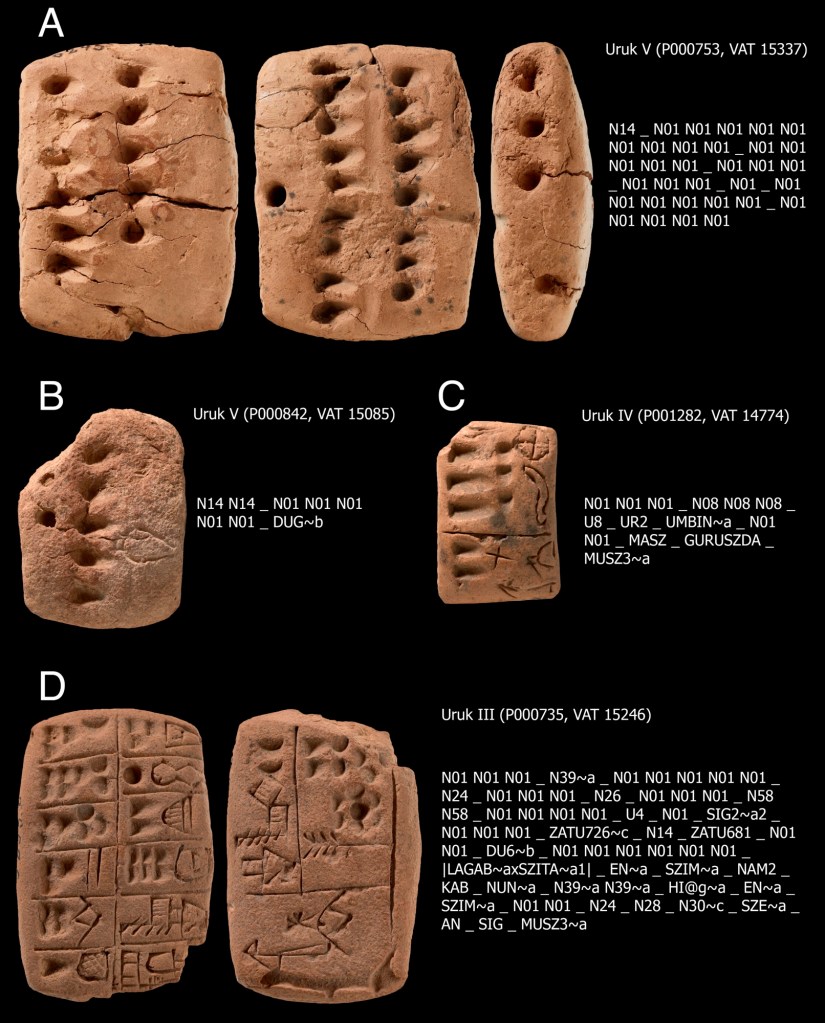
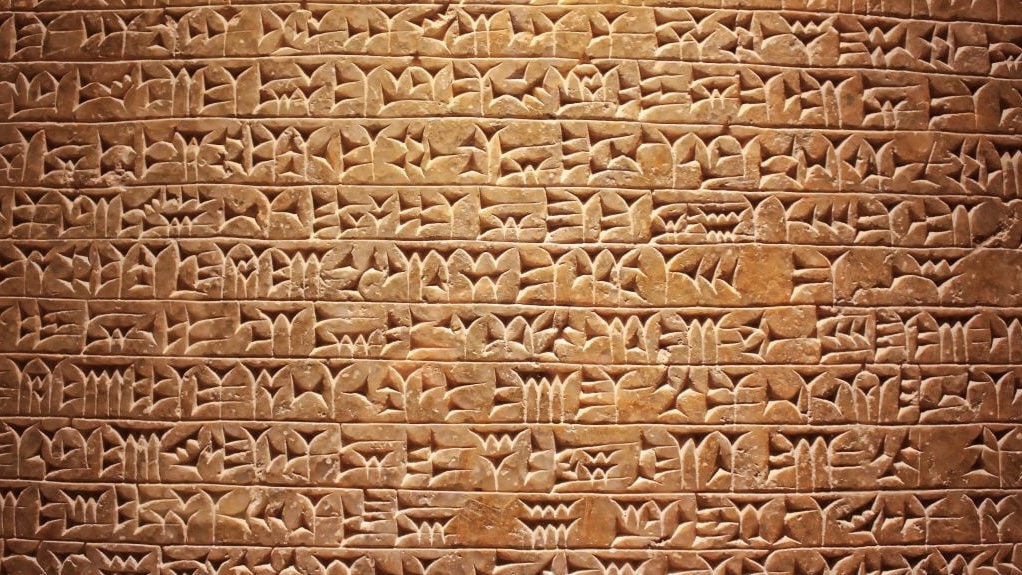
Despite their age, these ancient etchings boast a complexity comparable to the early stages of the world’s oldest known writing system – cuneiform, which originated around 5,000 years ago in Mesopotamia. This means that these engravings would be over 30,000 years older than Sumerian cuneiform from ancient Mesopotamia, which was long thought to be the oldest.
The archaeological team had came upon this writing revelation while investigating 260 relics discovered in cave repositories in a mountainous region in Southwest Germany. This archaeological treasure trove included flutes, carvings of animals like mammoths, and figurines of animal-human hybrids. They were etched with a total of 22 different recurring symbols, including a V-shaped notch and lines, crosses and dots.
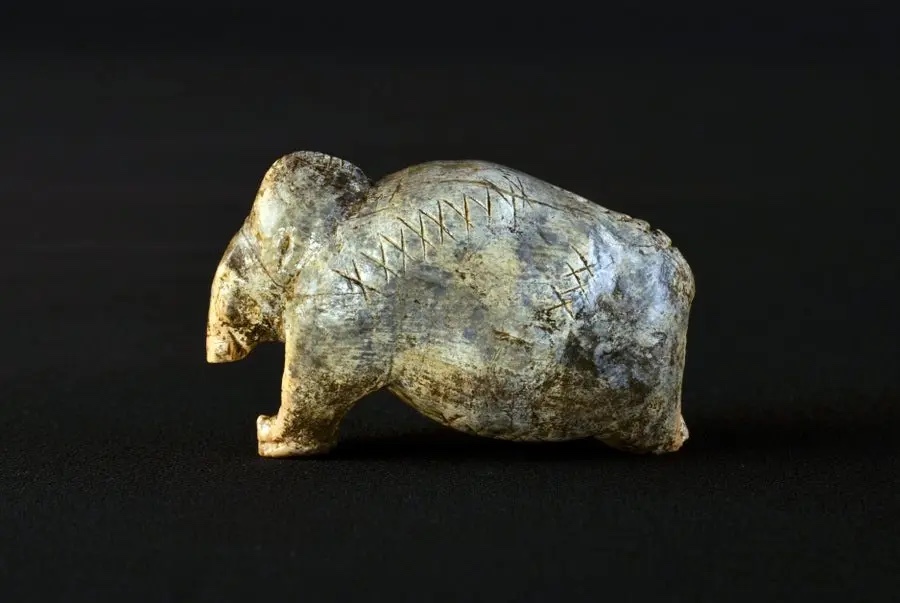
Hoping to shed light on the symbols, the team inputted 3,000 of the inscriptions into a Stone Age sign database with the goal of seeing how they stacked up against later writing systems. They specifically compared their patterns to proto-cuneiform, the earliest form of pre-writing, which was engraved in clay in Mesopotamia circa 3500 BC. – and what they found was that these ancient engravings from present day Germany were “very similar” to their Mesopotamian counterpart.
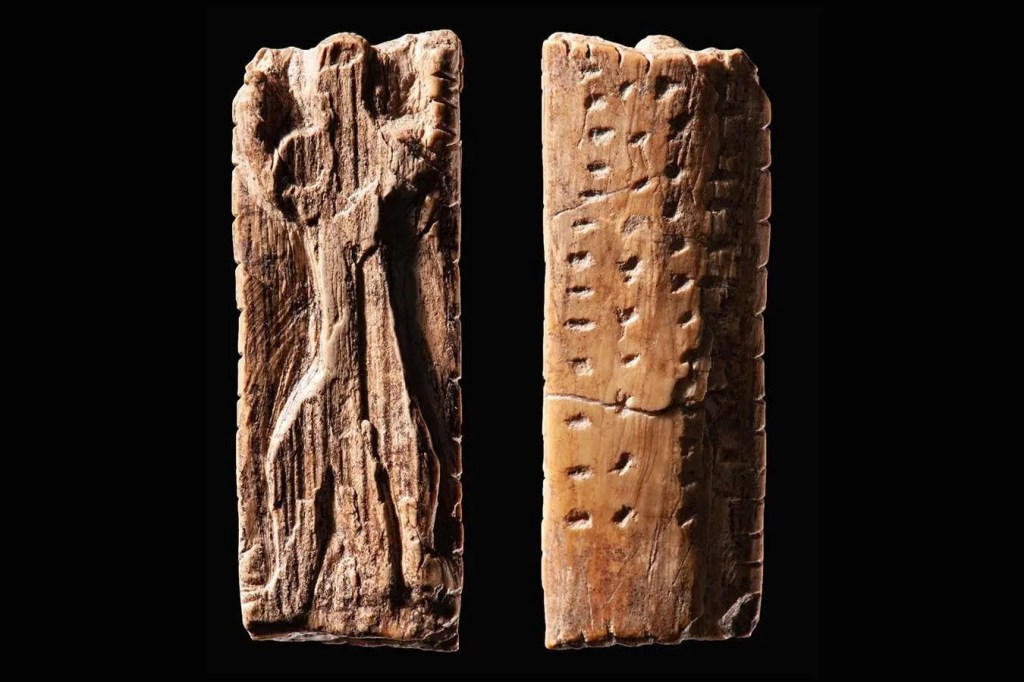
Therefore, many archaeologists are now theorizing that ancient hunter-gatherers were smarter than we’ve known as their mode of symbolic thought transcription wasn’t restricted to making paintings on cave walls only, but that they could also write and create art.
Source:
https://nypost.com/2026/02/24/science/stone-age-symbols-could-rewrite-history-of-writing/

 megalithicmarvels.com