
By Hugh Newman
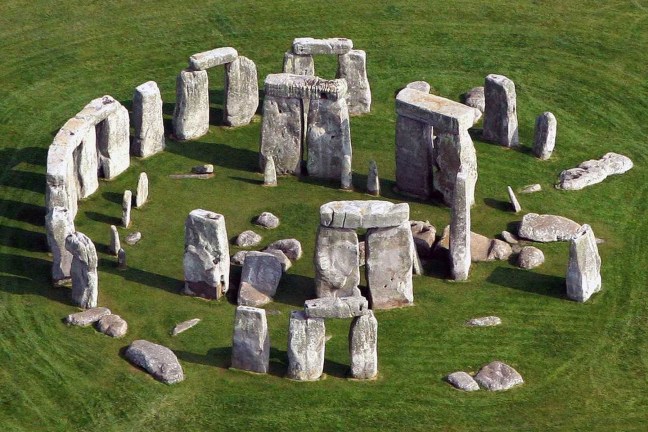
Stone circles conjure up a lost world of mysterious ceremonies, druid astronomers, pagan dances and inquisitive antiquarians. The most famous is Stonehenge in Wiltshire, UK, but it is also the most unusual in that it has lintels and trilithons in its design.

Most stone circles are not so glamorous, but with over one thousand of them documented
in the British Isles alone, dated between 3500 BC and 1500 BC, their construction was evidently an important part of our culture. Stonehenge is well known for its summer solstice sunrise, and
research over the last 60 years has shown that many other circles also use sky and landscape alignments to mark astronomical events, with
many also sharing geometrical forms and measurement systems.

How such mighty rings were constructed has long baffled archaeologists, antiquarians, and other interested parties. In the 1600s, Christians often cited natural or supernatural explanations, and thus the devil, giants, witches, and a host of mythological figures all crop up in local construction legends. For how else were such multi-ton stones quarried, transported and arranged with such precision?

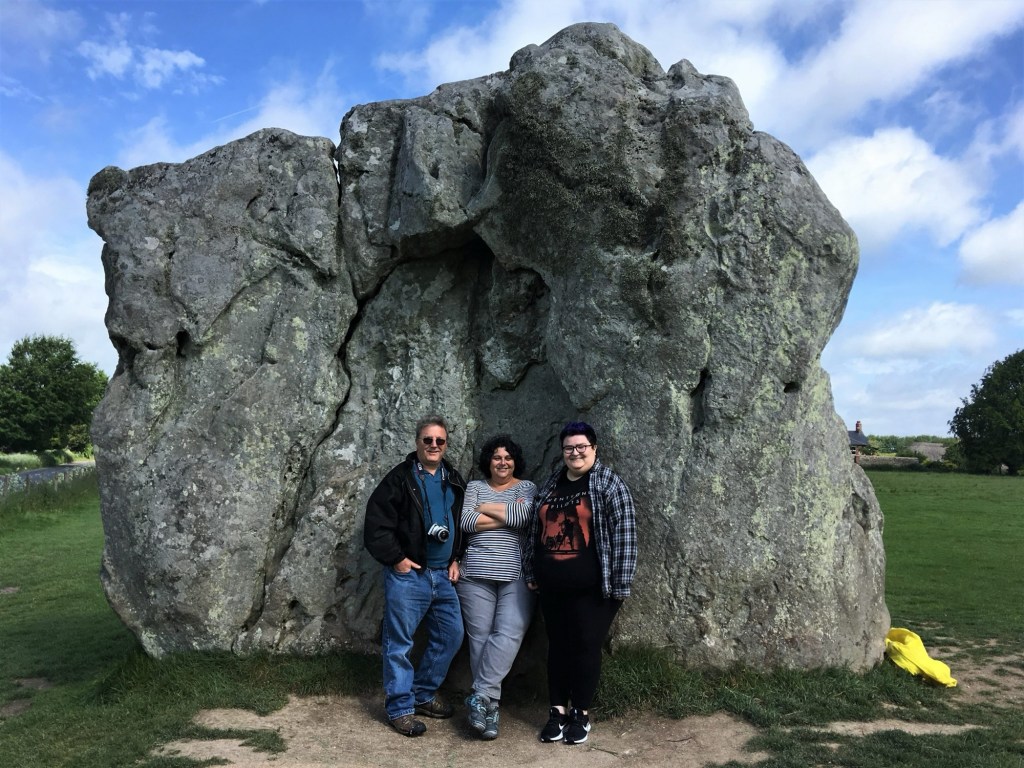
Avebury is so large that a village today sits within its main circle; its tallest stone was of such magnitude that, once broken up, an entire
church was constructed from it. Whoever made these magnificent structures had a very deep
understanding of engineering, surveying, geometry, metrology and astronomy. And they were not an isolated group of builders. As we will see in the pages which follow, stone circle building was once a
truly global endeavour.
This is an excerpt from “Stone Circles” by Hugh Newman. Purchase it HERE

 megalithicmarvels.com