
By Derek Olson
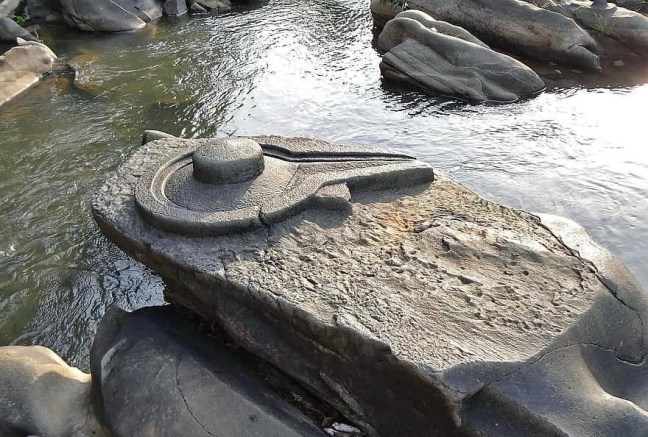
Surrounded by lush green forests and located approximately 10 miles from India’s village of Sonda, flows the serene river Shalmala which hides a fascinating ancient secret. Shrouded in mystery and beauty, this sight which is known as Sahasralinga features a rare spectacle.
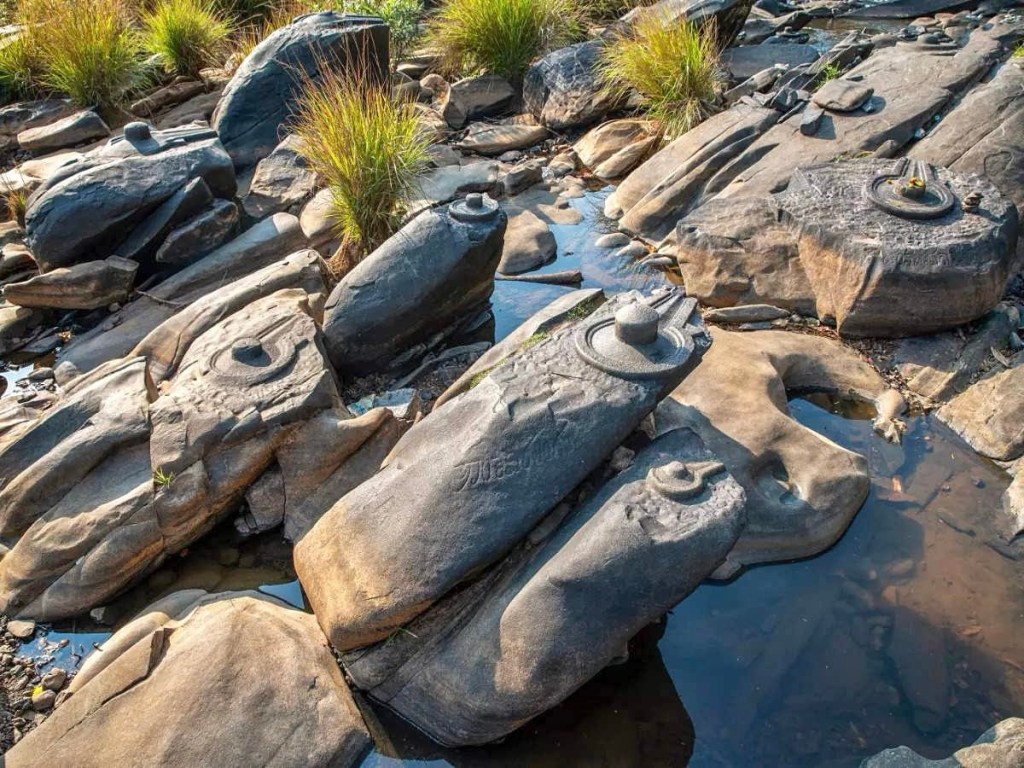
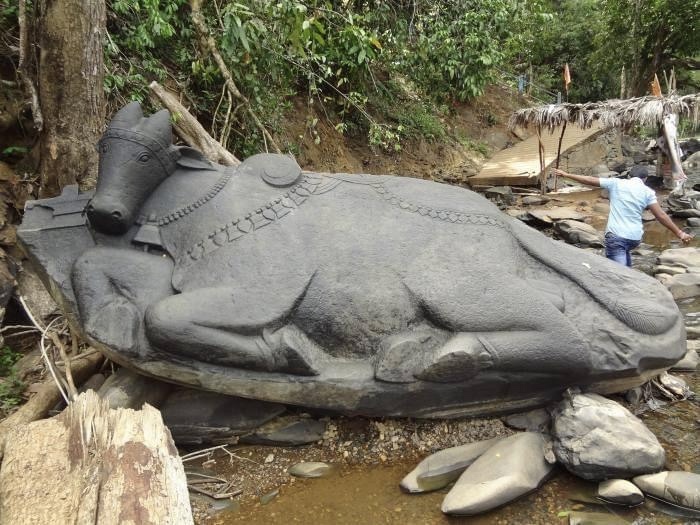
Protruding from the granite boulders that emerge from the river can be seen countless precision crafted shapes and lingas. Many of the boulders even feature the Nandi – Shiva’s vehicle cut into them. Many stones have more than one linga and many more appear to be half-finished. Also featured on some of the builders are Basava (bulls).

In Sanskrit, the sites name of Sahasralinga means “thousand lingas.” Again, in Sanskrit, the word ‘linga’ is described as a mark or symbol pointing to a conclusion or inference. Linga is also a symbol of worship to the Hindu God of Shiva. The shape of the Linga is is thought to be like that of an egg representing the “Brahmanda,” also known as the cosmic egg.

It wasn’t until the year of 1969 that this site was discovered by ethnologist Jean Boulbet. Due to the Cambodian Civil War, Boulbet’s work was interrupted for many years. It wasn’t until two decades later, that this place became safe enough for tourists to begin visiting.

Sahasralinga is very much revered by Hindus, especially during the occasion of Mahashivaratri when pilgrims journey in great numbers to this location to offer worship to Shiva.

According to the legend of Sahasralinga, the king of Sonda had no children. He was therefore advised by a priest to make 1008 Shivalingas to be blessed with children. So, the king had every stone at the bed of the Shalmala River converted into a Shivalinga.
Check out my Amazon Storefront for all of your travel-gear needs (as an Amazon Associate, I earn from qualifying purchases at no additional cost to you, thanx)
Sources
https://en.m.wikipedia.org/wiki/Sahasralinga
https://www.inditales.com/sahasralinga-sirsi-thousand-shivalingas/
https://www.gosahin.com/places-to-visit/sahasralinga/#google_vignette

 megalithicmarvels.com
2 thoughts on “The Mystery of Sahasralinga”