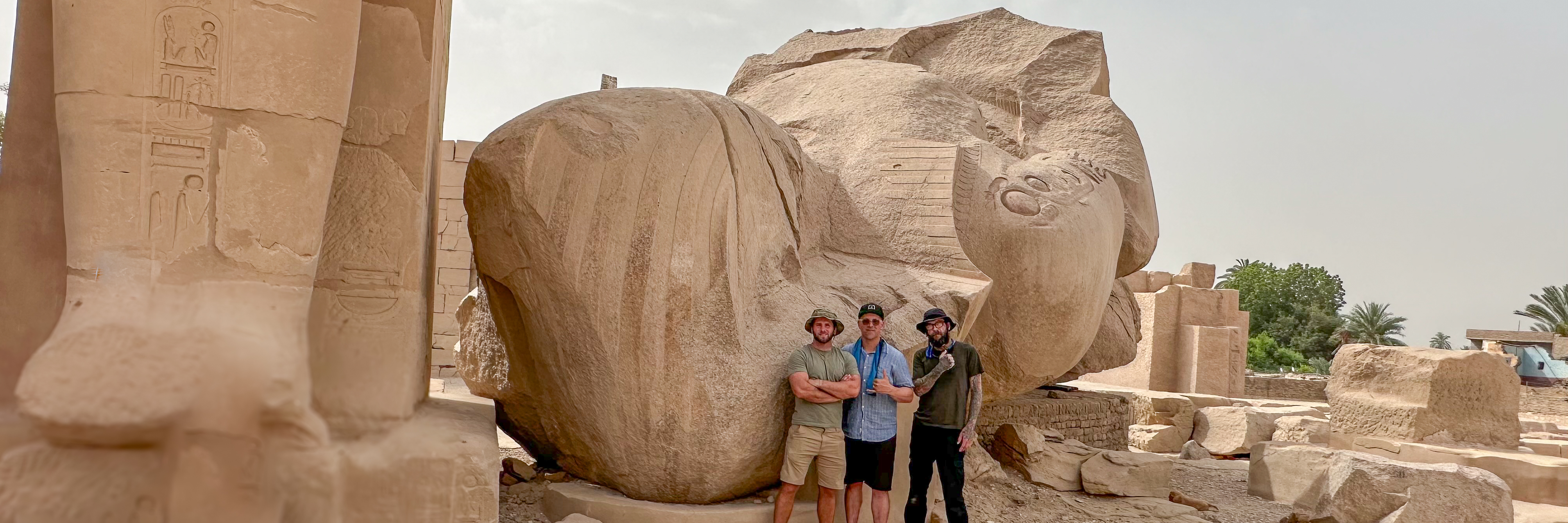


About an hour south of Cusco stands an imposing ancient gate that has withstood the test of time.
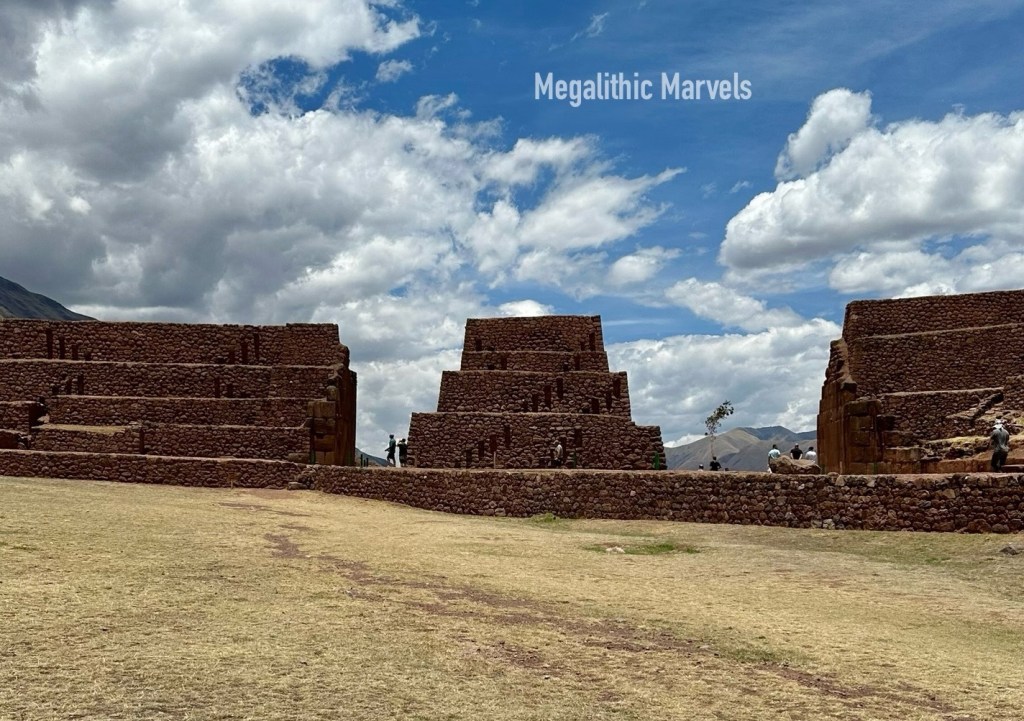
Named Inti Punku “Sun Gate” by the Inca, this red limestone gate features two distinctly different architectural styles. The foundation and lower half is clearly megalithic mortarless engineering, yet the top half appears to have been added at a much later date by either the Wari or Inca cultures, or a combination of both. This upper layer of construction consists of smaller rough stones and clay mortar.
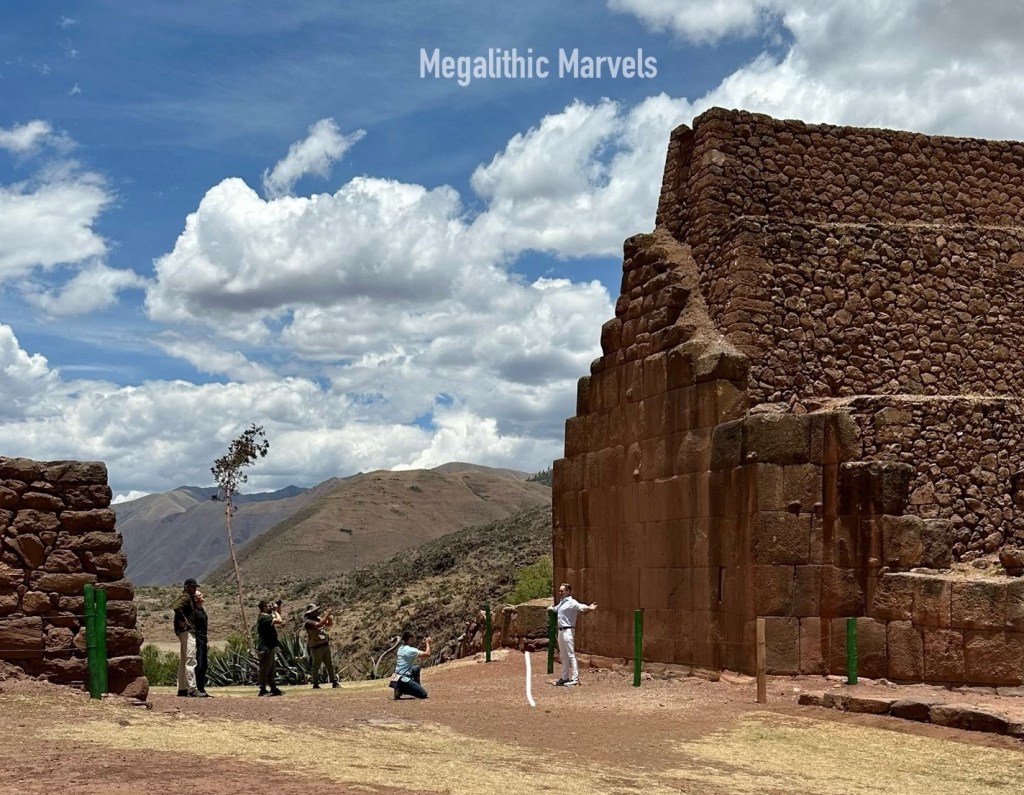
This gate features two entrances or sides. One opening was for entering Cusco and the other opening was for leaving Cusco. According to Brien Foerster, the Wari culture had physicians located at this gate who would check all who entered for communicable diseases.

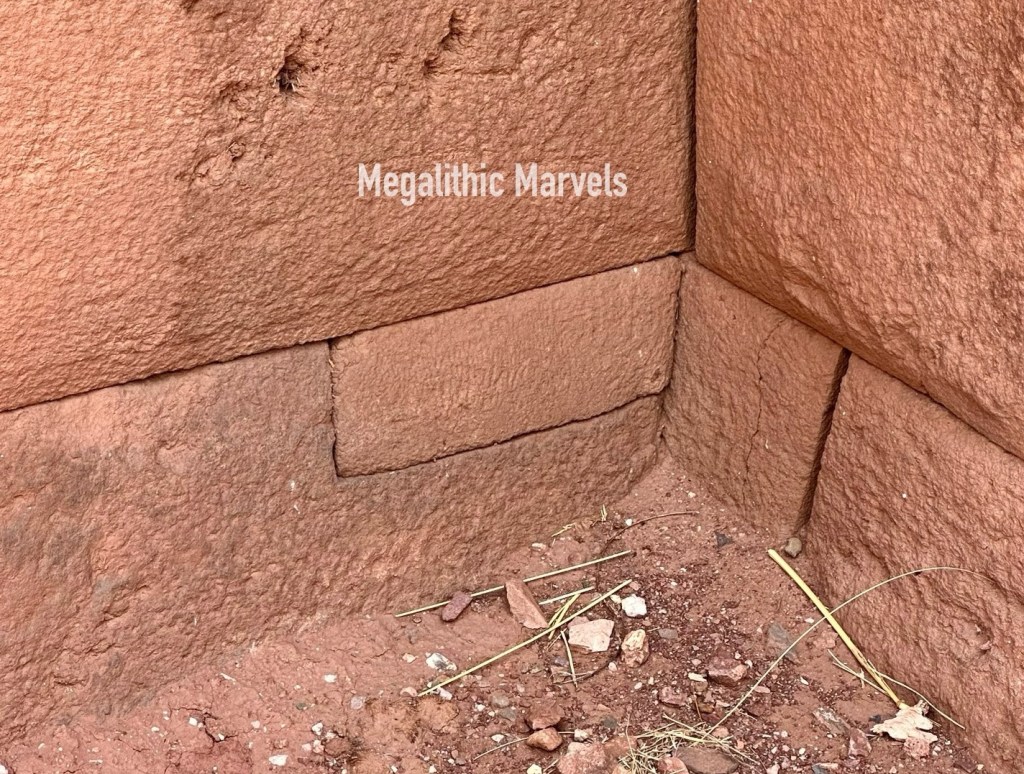
Vertical cracks running up and down on the mortarless remnants show evidence of ancient cataclysm.
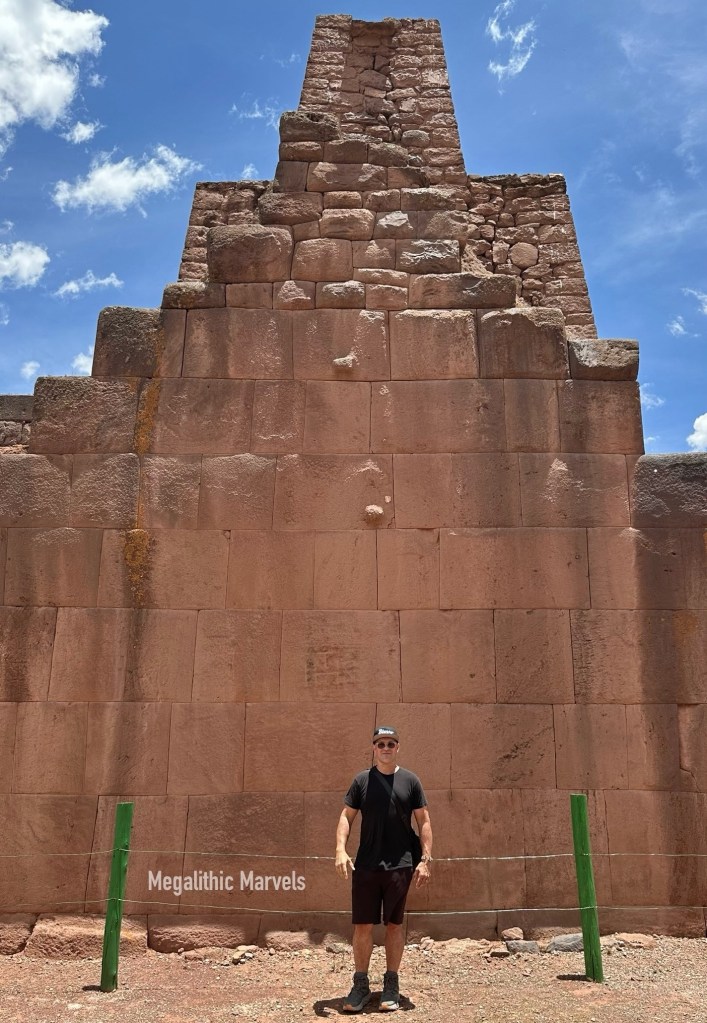
The mysterious protruding nubs run in a horizontal line on the megalithic ruins. Were these nubs some sort of coded language used by a predilivian civilization?

Were the nubs the energy points where an ancient device was plunged into and then extracted from the stone in order to soften it like marshmallow? Or were they intended for something else entirely?

The megalithic foundations are still standing today thanks to the builders anti-seismic knowledge that is visualized in the smaller stones seen near the base.
Known as Rumicolca “Stone Storage,” the quarry for this site is approximately less than one mile away. If you believe the theory that the base was built by a prediluvian civilization, then you need to ask why would the they engineer such a massive gate in order to protect their already massively fortified megalithic fortresses in Cusco such as Saqasayhuaman? Who were they trying to keep out of their Atlantean city? This enigmatic archaeological site invites contemplation
Sources:
https://youtu.be/1nEauk9m70M?si=jR-XJ6KM2mreIrY9

 megalithicmarvels.com