

By Derek Olson
A few hours west of Cusco, Peru is an ancient enigmatic archaeological site known as Saywite or Sayhuite that features some very unique megalithic marvels.

This complex is most famous for what is known as the Saywite Stone – a large granite carved boulder that measures two meters long, and four meters wide, and features more than 200 geometric and zoomorphic figures. The figures include reptiles, frogs, and felines. Found at the top of a hill named Concacha, the stone is believed to have been sculpted as a topographical hydraulic model, complete with terraces, ponds, rivers, tunnels, and irrigation channels.
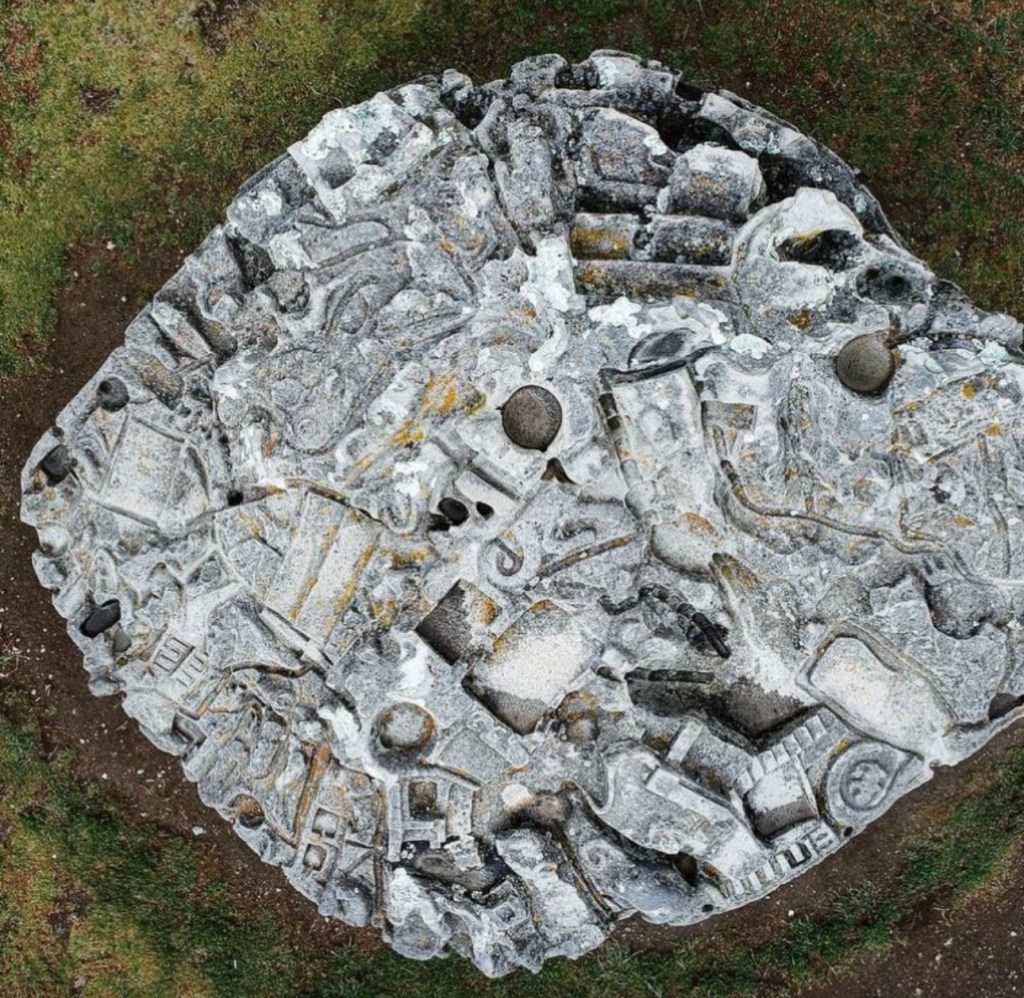
Dr. Arlan Andrews believes the monolith was used as a scale model to design, develop, test, and document the water flow for public water projects, and to teach ancient Inca engineers and technicians the concepts and practices required. The experiments might have been carried out by pouring actual water over the stone or even liquid mercury.

The rock appears to have been edited several times, with new material, either altering the paths of the water or adding routes altogether. Archaeologist Gary Urton states that “Carvings in its upper part represent terraces, irrigation canals, pumas, and other animals, such as lizards.” and that it may be a symbolic representation of the valley.

While the creators remain a mystery, the monolith provides archaeologists with insight into the culture of a pre-Columbian population. Archaeologists have determined that the site was likely re-purposed as an Incan religious center, where rituals and ceremonies for the worship of water was conducted.
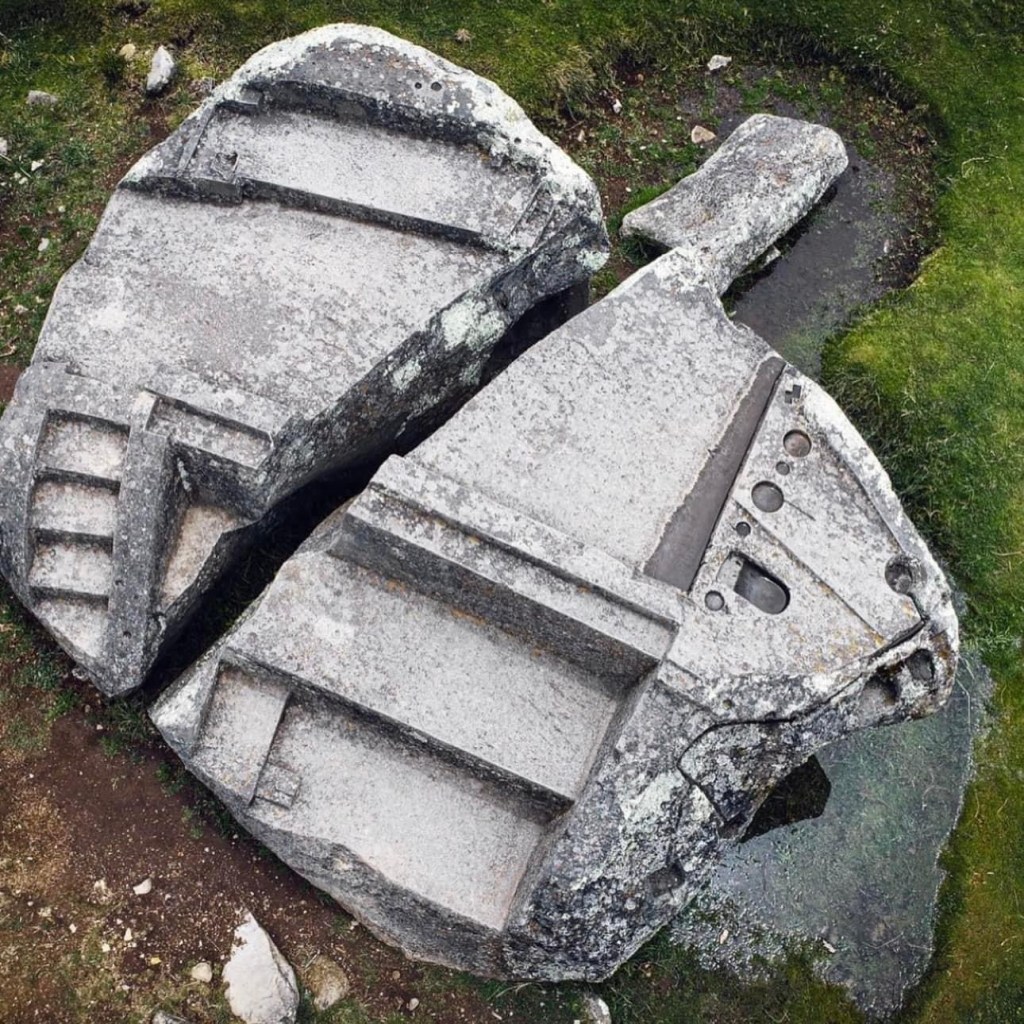
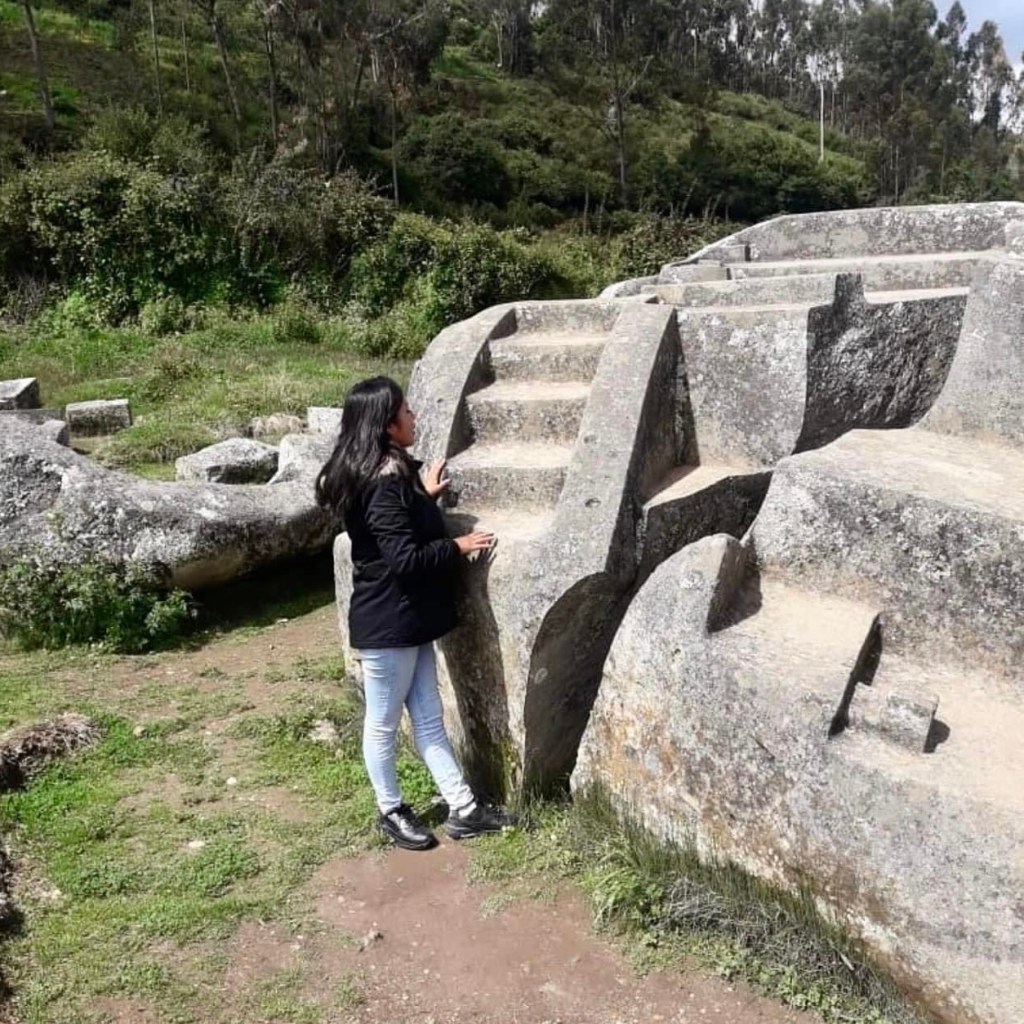
This site reveals evidence of cataclysmic disruption on multiple pieces, such as what looks like a staircase that has been violently cracked in half.

The trapezoidal piece that features the square hole in it was possibly used as an astronomical observatory, and there is research to suggest that the Inca later used it to learn agricultural hydrology.
Sources
https://www.amusingplanet.com/2016/07/sayhuite-stone-ancient-hydraulic-scale.html?m=1https://
https://www.incatrailmachu.com/en/travel-blog/sayhuite-stone-peru
https://en.m.wikipedia.org/wiki/Sayhuite
Photos by @ 𝘮𝘢𝘯𝘳𝘪𝘷𝟷𝟷, 𝘲𝘩𝘢𝘱𝘢𝘲𝘯𝘢𝘯𝘱𝘦𝘳𝘶, 𝘪𝘳𝘦𝘯𝘦𝘥𝘢𝘺𝘴𝘺, 𝘢𝘳𝘬𝘭𝘪𝘧𝘦.𝘥𝘦𝘴𝘪𝘨𝘯, 𝘸𝘦𝘯𝘥𝘺𝘺𝘢𝘴𝘮𝘪𝘯, 𝘸𝘢𝘭𝘵𝘦𝘳𝘧𝘭𝘰𝘳𝘦𝘻_𝘱

 megalithicmarvels.com