
By Derek Stryder
Located on the eastern side of the Great Pyramid of Giza is an area known as the east field or the eastern cemetery where a mysterious subterranean chamber known as the Tomb of Idu lies hidden underground.
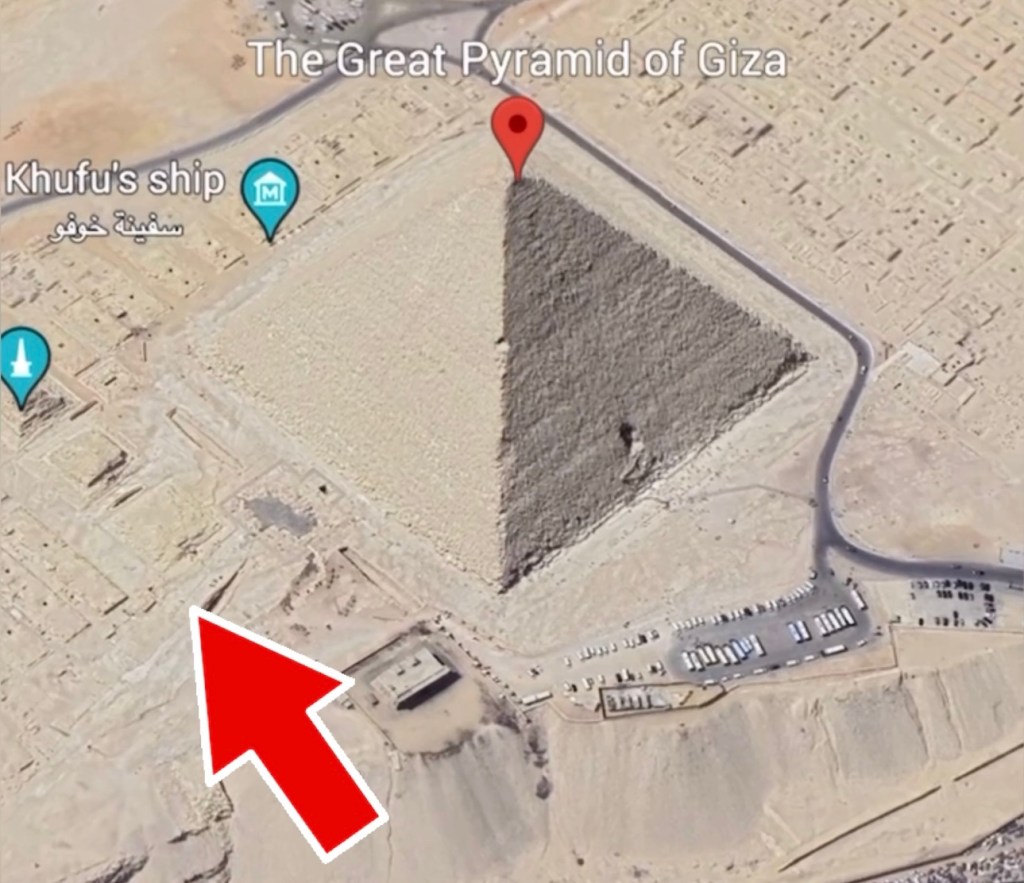
The mastaba or exterior superstructure that likely once covered this chamber has since disappeared. Therefore, as you approach the entrance, you must first pass through a modern day metal structure that has been constructed over the top of it.

Once through the gate, you can see the megalithic limestone chamber below. On the exterior, there is what appears to be a dynastic Egyptian made rectangle edifice covered in hieroglyphs that seems to have been fastened above the entrance at a much later date than the original construction of the chamber itself.
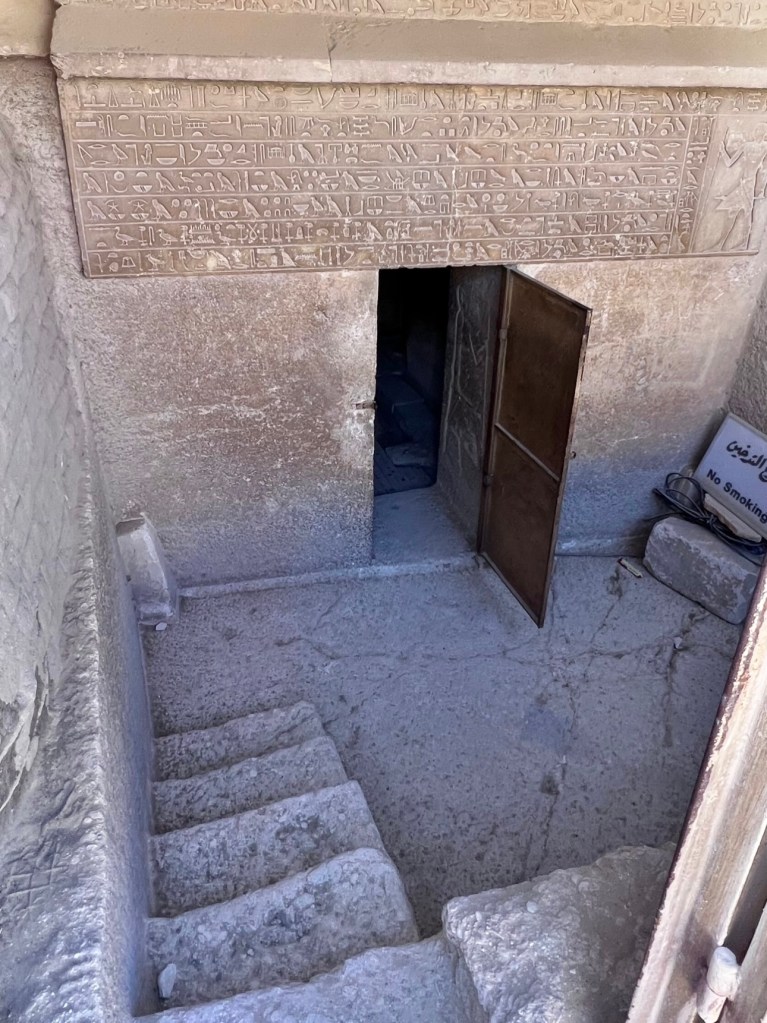
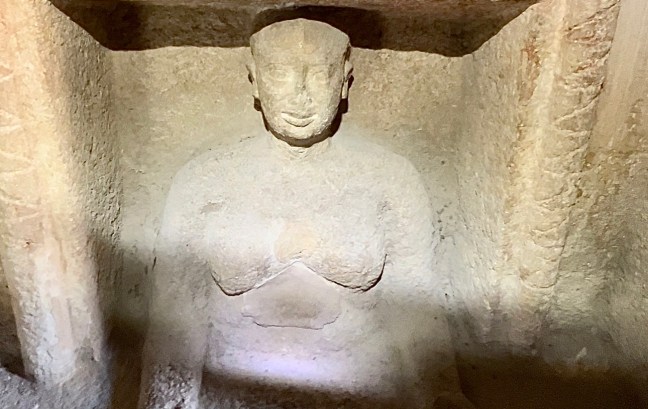
As you enter, you see that the chamber has a curved ceiling and possesses acoustic resonance properties. Featured within the walls are statues and a false door, which according to Egyptologist and Megalithic Marvels tour guide Mohamed Ibrahim, is likely symbolic of a star-gate that depicts how the Egyptians were trying to make a way for the soul to travel to and from the tomb.

This chamber is known as the tomb of Idu the high priest, who lived during the era of the Sixth Dynasty, at around 2300 BC. Inscriptions found related to the various titles Idu possessed include: Scribe of the royal documents in the presence of the King, Tenant of the pyramid of Pepi I Meryre, Inspector of the wab-priests of Khufu and Khafra pyramids.

According to Mohamed Ibrahim, this chamber was originally part of a prehistoric structure engineered by the pre-diluvian Egyptians, who he believes pre-dated these Dynastic Egyptians by tens of thousands of years.
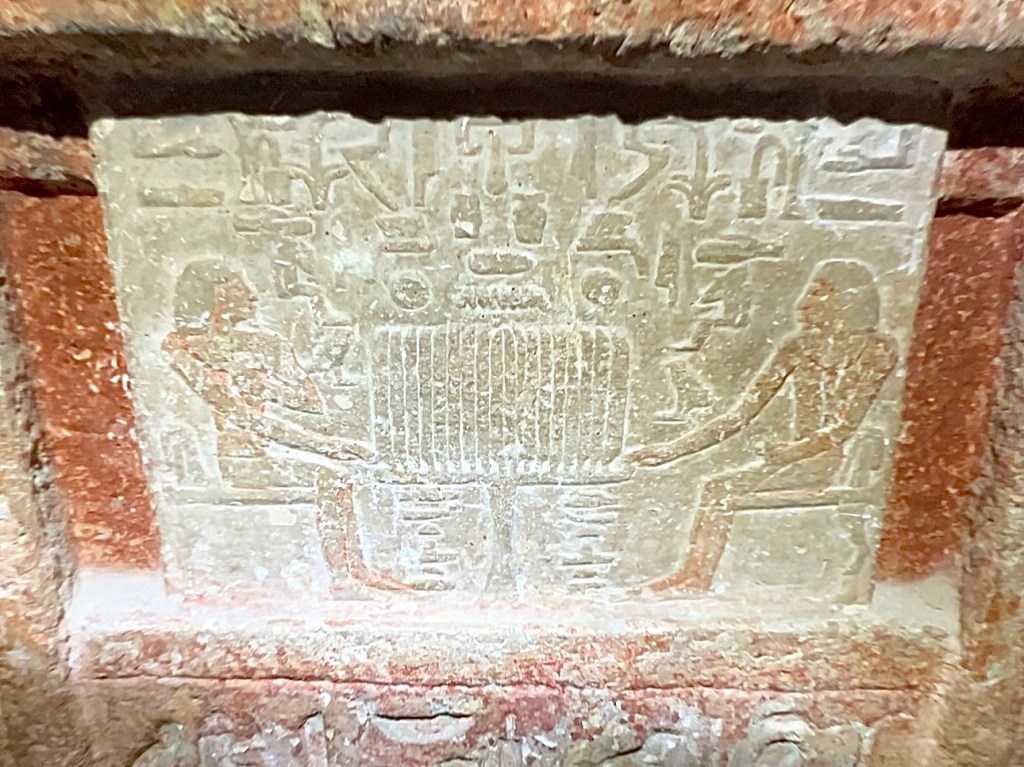
Did Dynastic Egyptians of the sixth dynasty simply re-purpose and retrofitted this chamber into a tomb for Idu the High Priest? Enjoy the video version below

 megalithicmarvels.com